
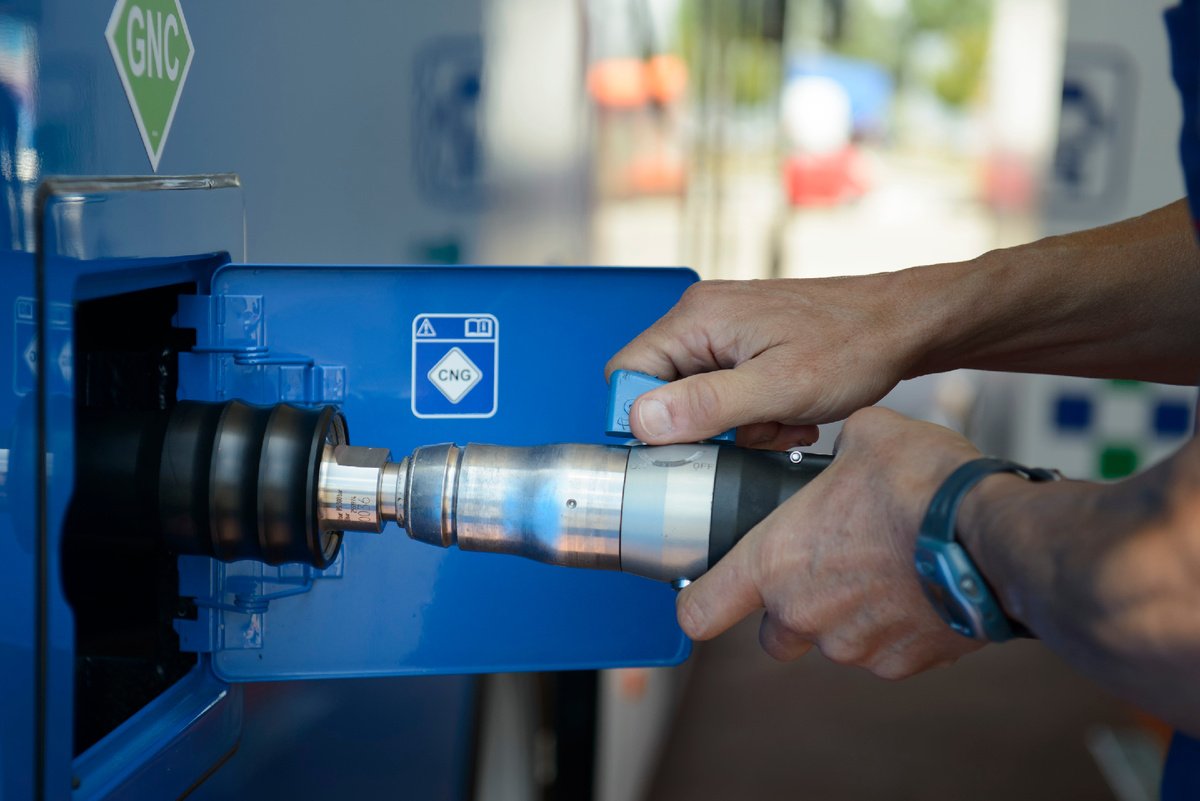
With rising fuel costs, many vehicle owners are turning to CNG as an affordable and eco-friendly alternative. However, the decision to install an aftermarket CNG kit often raises concerns about safety and long-term reliability.
Not all aftermarket kits are created equal. Using low-quality or uncertified kits can pose risks such as gas leakage, engine damage, or reduced performance. It is important to choose CNG kits that meet government-approved safety standards.
Installation plays a crucial role in safety. Even a certified CNG kit may not perform safely if it is installed by an untrained technician. Always ensure the kit is fitted at an authorized service center by skilled professionals.
Periodic maintenance and inspections are equally important. CNG cylinders and pipelines should be checked regularly for leaks, wear, or damage. Timely servicing helps prevent accidents and ensures smooth performance.
Another factor to consider is insurance and warranty. Many manufacturers void vehicle warranties if an unapproved aftermarket kit is installed. Choosing an authorized kit ensures compliance with both safety and insurance requirements.
Ultimately, aftermarket CNG kits can be safe if chosen wisely and installed correctly. Vehicle owners should prioritize certified products, professional installation, and regular checkups to enjoy both cost savings and peace of mind.
Key Safety Points at a Glance:
- ✅ Always choose government-approved and certified CNG kits.
- ✅ Ensure installation by authorized and trained professionals.
- ✅ Carry out regular maintenance and leak checks for added safety.
- ✅ Check how installation affects insurance and vehicle warranty.
- ✅ Avoid cheap, uncertified kits that compromise safety and performance.
- ✅ Prioritize long-term reliability over short-term savings.